Adventures in Ramen
I’ve been obsessed with ramen ever since I was a kid. My first introduction to ramen were those Maruchan instant noodle cups. As I grew older and with the proliferation with Yelp, I began trying out ramen shops in Los Angeles.
I think the first place that opened my eyes to the diversity of ramen was Foo Foo Tei. On the menu was this creamy and white stock made out of chicken bones instead of pork.
One of the most challenging things about ramen is that I don’t eat pork. I have to profess though, in my early 20s I was eating pork stock ramen, but without the chasu. In time I gave up the pork stock ramen and looked for alternative stocks made out of chicken and veggie broths.
Sometimes when we have food restrictions, we sometimes think of it as limiting. But only when something is taken away are we forced to be more inventive and creative.
In 2014 I was listening to this podcast from KCRW Good Food and Evan Kleiman was interviewing Ivan Ramen, a Jewish guy from New York who opened one of the most popular ramen places in Tokyo. Ivan’s cookbook had a recipe on how to make the stock and the noodles with ingredients measured in grams. According to his book ramen was broken down into:
- Noodles
- Stock
- Egg
Noodles
The first challenge was to make the ramen noodles. Oddly enough this was probably the easiest part since the recipe was in grams, I made it nearly exactly how he published it.
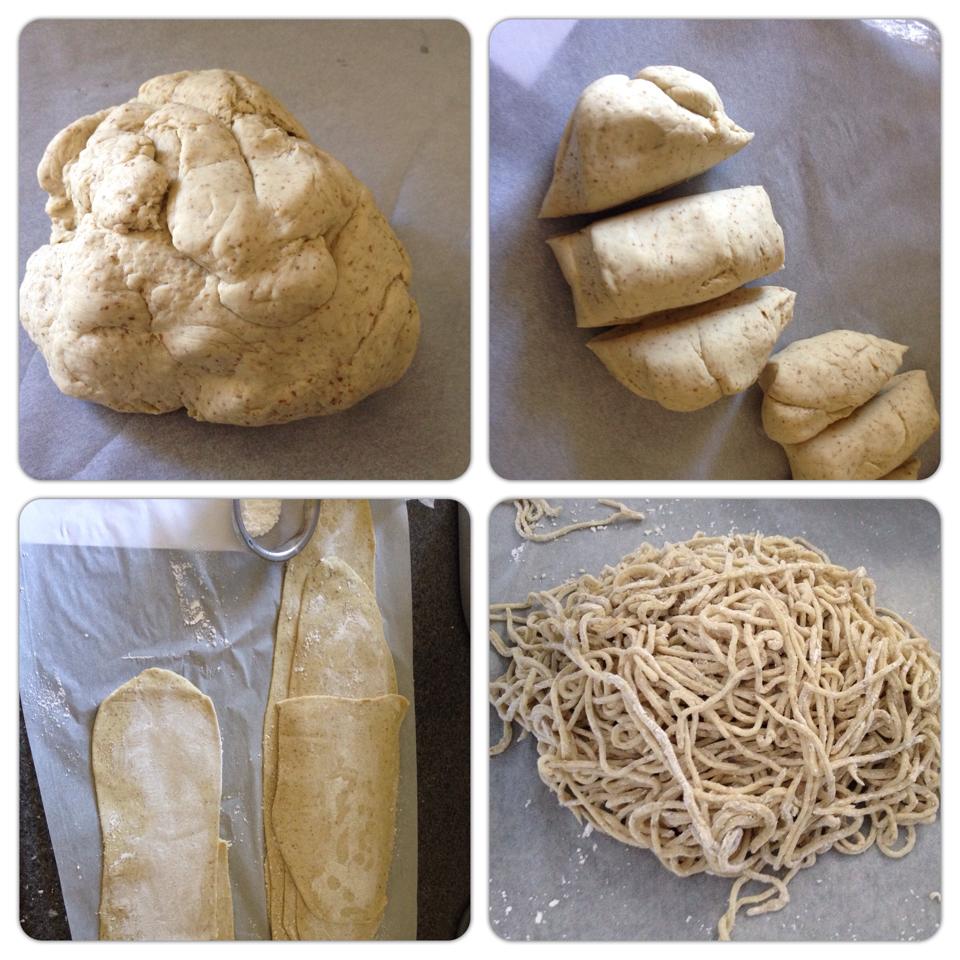 Amazingly the ramen noodles (technically a soba and ramen hybrid) came out with the perfect sponginess and chew.
Egg
This probably was the hardest part of the dish. I had tried the recipe in the book and it didn’t work. I had used a thermometer in the water and it didn’t work. At the end of the day I found the perfect recipe being
- Take out your eggs 8 hours before cooking and let it come to room temperature
- Bring a pot of water the biggest you have and bring it to a boil and drop it to a simmer
- Put the eggs in slowly
- Set the timer for 7 minutes, bring the temperature up to a medium-low flame and stir the water clock-wise for the entire duration creating a vortex.
- Take the eggs out and put it in ice water
- After 5 minutes peel.
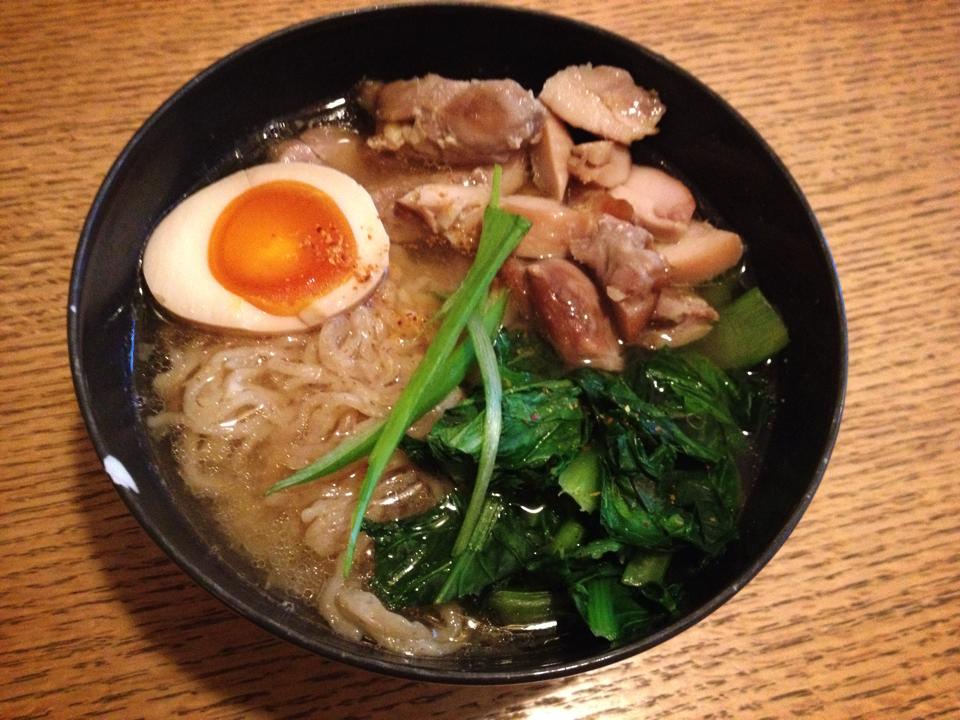
What is funny is even if you follow these steps you sometimes will get eggs which won’t peel. Or sometimes the middle will be too runny. But if you get it right, you will be rewarded with this perfectly half cooked yolk.
Stock
The recipe in Ivan’s book for chicken ramen was rather complicated. It would consist of tare (fried shallots and garlic in oil - like a sofrito) and stock. A couple years later I read the book Rice, Noodle, Fish which is a book about a journey about shokunin in Japan. Shokunin are those who care about their craft. For example in Japan there are restaurants who specialize in cooking one thing, and may have been cooking that item for 20-30 years.
This book would forever change my view on Japanese food and I was pleasantly surprised to see at the end of the book was a link to a Google Map of all of the restaurants.
In 2016 I went to go try one of the ramen restaurants Motenashi Kuroki, and it probably was the best ramen I have eaten in my life.
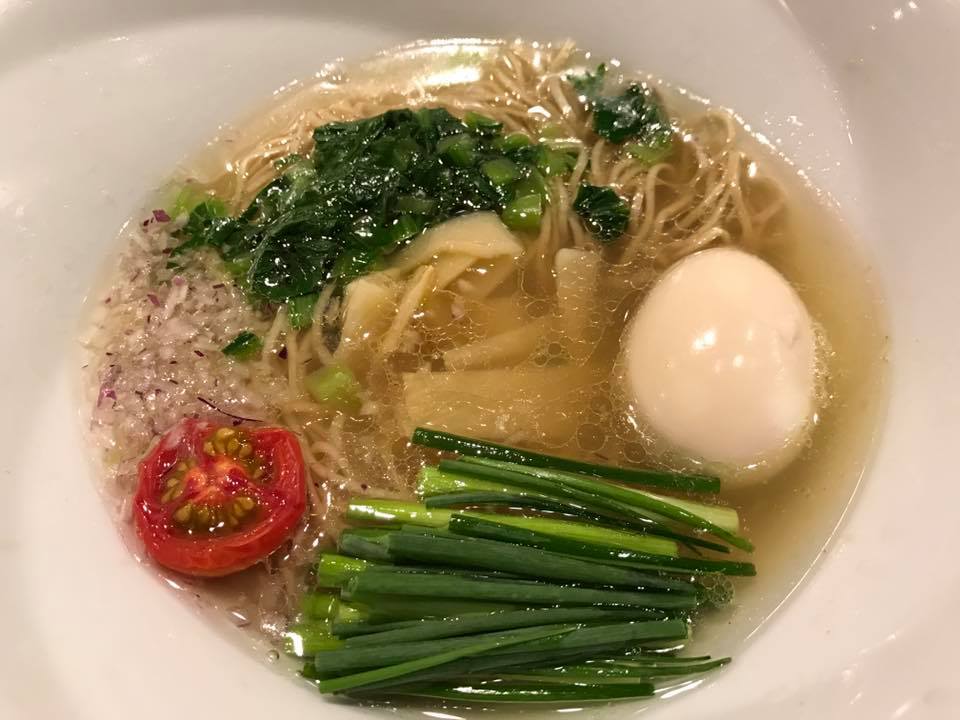
The ramen was perfect because it had a light broth, tare, and a perfectly cooked egg. As some of my friends would make fun of me, I would say it was “simple yet complex”.
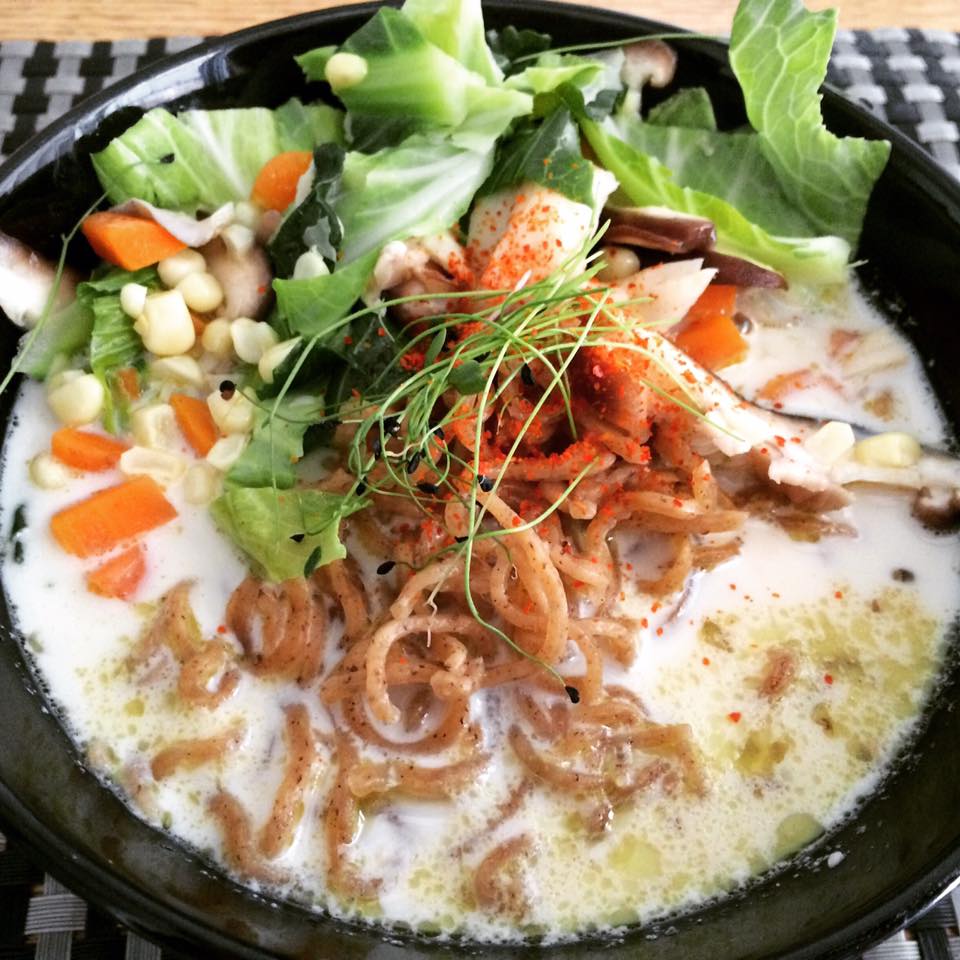
Nowadays when I cook the stock, I am no longer so fussy like the recipes. I would cook the tare first and dump the stock in afterwards. I also found some great vegetarian stock recipes using soy milk and it comes out just as great.
At the end of the day, don’t be afraid of restrictions as it may lead you down a new journey of things you never would have embarked on.
Recipe